How to Sell Your HVAC Business in Framingham, MA
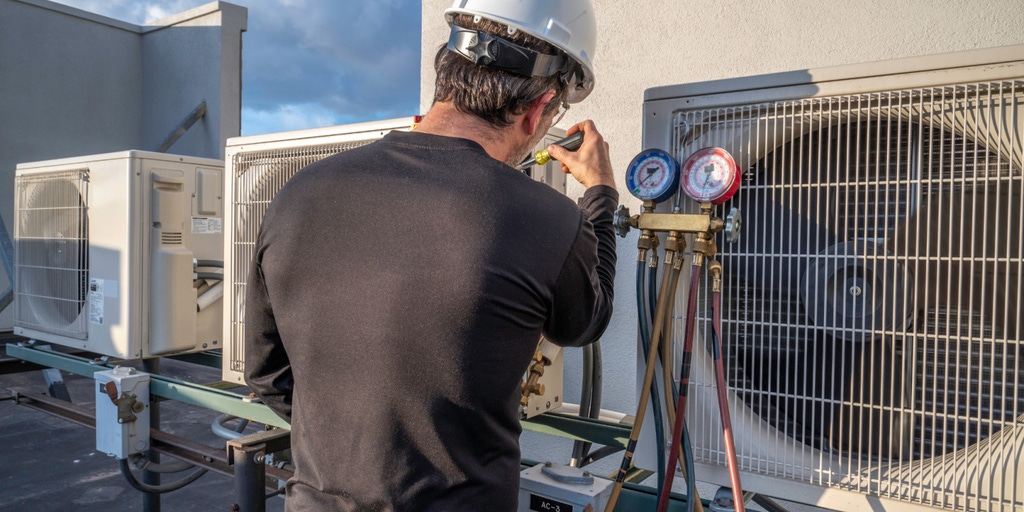
How to Sell Your HVAC Business in Framingham, MA
If you've built an HVAC business in Framingham, MA, you've likely poured your heart and soul into your company. It represents more than just a business. Instead, it's years of diligent work, building customer relations, and forming bonds with your employees. Now you may be thinking, “Should I sell my HVAC company?” Understandably, that may lead to mixed emotions resulting from pride, uncertainty, or excitement.
You're not wrong for considering selling right now, because the timing is excellent. Framingham is hot for selling opportunities thanks to a strong demand for essential service businesses, aging infrastructure and general location. This has created a high-demand market for buyers seeking well-run businesses like yours.
However, when it comes to selling a service business, it's vital to go about it properly. It requires detailed planning around contracts, licensing, employee retention, and regulatory compliance with state laws. This is why we put together this guide to help walk you through every step of selling your Framingham HVAC business successfully with maximum returns.
Why Now is a Smart Time to Sell HVAC Business in Framingham
There has never been a better time to sell an HVAC company in Framingham.
Both the national and local market conditions are heavily in your favor. According to Grand View Research, the U.S. HVAC systems market is projected to grow at a rate of 7.4% from 2024 to 2030.
The state has also implemented an Economic Development Incentive Program, offering tax credits to businesses starting and growing in Massachusetts. Understandably, this can be appealing to potential buyers that want to operate their business in the Greater Boston Area.
All of these factors are converging simultaneously to make your business a secure and worthwhile investment.
Factors Driving High Buyer Demand for HVAC Businesses
There are also several Framingham-specific conditions making HVAC businesses a prime buy in the current market. These include:
- Year-Round Service Needs: Described as a humid continental climate, Massachusetts experiences hot summers and freezing winters. This makes the location for ideal continuous HVAC service needs.
- Aging Infrastructure: There are many older homes and commercial buildings within Framingham and the Greater Boston Area. This aging infrastructure tends to require HVAC repairs, upgrades, or total system replacements.
- Massachusetts Energy Efficiency Mandates: Throughout the last decade, Massachusetts has invested in energy-efficient measures and mandates. Essentially, they want to promote the manufacturing and use of energy-efficient technology.
Additionally, there are several other market factors driving buyer motivation currently, such as:
- High-Buyer Demand: Motivated buyers like institutional investors, private equity firms, and individual buyers are actively searching for HVAC companies investment. According to the Bureau of Labor Statistics, Massachusetts is the 5th highest-paying state for HVAC mechanics and installers. This is an indicator of a thriving industry and intriguing potential investments for prospective buyers.
- Technology Trends: HVAC companies integrating smart HVAC systems (smart thermostats, IoT devices, energy monitoring) typically command higher prices.
How to Sell My HVAC Business in Framingham
There is more to selling an HVAC business than just finding a buyer. There needs to be a focus on preparing your business, highlighting value, and handling the transaction and taxes. We’ve condensed this down to three steps for you below.
Step 1 – Prepare Your HVAC Business and Property for Sale
The first step before even listing the business is to prepare it for the market. To start, you must review and organize all financial documents including: profit and loss statements, tax returns, and payroll data. These should be well organized, accurate, and up-to-date. Next, gather all relevant compliance records, especially any related to licensing or environmental regulations.
There will also be additional steps if the business includes real estate assets, including assessing zoning, lease arrangements, and the general physical condition of the building. These factors are important information for any serious buyer. Moreover, if you lease the property to your business at below-market rates, it must be adjusted to reflect a fair market value prior to listing the business.
Step 2 – Understand What Increases Your Company’s Value
There are several factors that can help increase the value of your business. Investors and buyers are willing to pay more for an HVAC business that offers operational consistency and established systems. Factors that can drive-up the value of your business include:
- Strong recurring revenue (maintenance contracts)
- Energy-efficient technology and services
- Reliable field technicians and documented SOPs
- Clean, adjusted financials (SDE)
- Properly documented C-20 license and permits
- Commercial real estate in high-demand or strategic areas.
Related Reading: 10 Strategies to Maximize Business Value Before Selling
Step 3 – Plan for Capital Gains and MA Specific Taxes
Depending on the state, you may need to pay a capital gains tax. Massachusetts does levy a capital gains tax – 5% for short-term gains and 8.5% for long-term gains.
Short-term refers to less than a year, while long-term are investments held for more than a year.
Along with state capital gains tax, there are also federal capital gains taxes. It is important to note a specific distinction regarding these taxes. The IRS does not count the sale of a business as a whole asset. Instead, “each asset is being treated as sold separately.”
However, there are some tax planning strategies to help you come out the best you can, including:
- Aligning commercial lease terms with SBA financing requirements (10+ years)
- Exploring tax-saving tools like 1031 exchanges, installment sales, or trust structures
- Hiring a CPA at the start of the selling process
Who Are the Buyers for HVAC Companies in Framingham
There are three common types of buyers you will likely encounter:
- Individual Buyers: These are typically ex-corporate workers looking to own their own business. They are seeking stable businesses with consistent profits, clean financials, and clear communication from the seller.
- Strategic Buyers: Strategic buyers are often competitors looking to expand their established customer base and territory. These types of investors seek businesses with strong local reputation, qualified workers, and comprehensive internal processes.
- Private Equity Firms: These firms are most interested in HVAC businesses with recurring maintenance contracts and long-term projects. They also prefer a skilled management team that will remain with the company post sale.
How to Value Your HVAC Business
When considering the value of your Framingham HVAC business, your first thought likely goes to revenue. While this is a factor, a full HVAC company valuation is based on both financial performance and operational stability. There are several factors that play a role in your company’s valuation, including:
- Recurring revenue (contracts, memberships).
- Profit margins and SDE (Seller’s Discretionary Earnings).
- Expansive customer base (not overly reliant on one client).
- Age and condition of vehicles, tools, and equipment.
- Licensing and staff readiness.
- Use of management technology (ServiceTitan, Housecall Pro, etc.).
The key thing to keep in mind is that strong recurring revenue and minimal operational risk are the factors that truly result in a higher multiple.
Location also plays a factor, specifically businesses in the Greater Boston Area can improve their value through state incentives and programs. The Massachusetts Office of Business Development announced major reforms resulting in over $10 million in tax credits and over $100 million in private investment. This can be quite appealing to prospective buyers as they can purchase companies in a state that promote local business development.
Curious to know what your business is worth? Use our online Business Valuation Calculator to learn more.
Typical Sale Multiples for HVAC Companies in the Greater Boston Area
An HVAC company valuation will be based on a multiple of SDE (Seller’s Discretionary Earnings) or EBITDA (Earnings Before Interest, Taxes, Depreciation, and Amortization). Depending on profitability, recurring revenue, and operational efficiency, HVAC businesses will typically sell for around a 2.5x-4.5x multiple.
For instance, an HVAC business in Framingham that generates $1 million in annual revenue, with 30% of it being recurring maintenance contracts, and clean financials could likely sell for a multiple of 3x.
Valuation methods like SDE and EBITDA apply across many industries. If you’re curious how these principles work outside of HVAC, take a look at our related guides on How to Sell a Construction Business in Waltham, MA , How to Sell a Plumbing Business in Worcester, MA or How to Sell a Retail Business in Waltham, MA
Related Reading: How much does a business valuation cost?
How Long Does It Take to Sell an HVAC Business?
Typically selling an HVAC takes around 6-12 months. However, several factors can either quicken the process.
- Financial record accuracy
- Time of Sale (Better to sell in an off-season rather than mid-summer, which is peak AC season)
- Licensing/transition plans
To help streamline the process, you should start sale preparations at least 6 months in advance.
Why You Should Hire a Business Broker Specializing in HVAC Sales
Now that you’ve learned how to sell your HVAC company, it may be time to get some help. Selling an HVAC business involves expert industry knowledge, an understanding of local incentives, and access to a qualified pool of buyers. Most owners won’t have access to all of these factors initially. This is why the best way to sell is to work with business brokers in Metro West Boston with experience selling service-based businesses, like Transworld Business Advisors of Metro West Boston.
When you work with our Metro West Boston, you gain immediate access to:
- A list of qualified HVAC buyers
- Complete confidentiality
- Decades of experience in selling midsize Main Street businesses
- Assistance with license transfer, NDAs, and proper deal structuring
- A network of reputable CPAs, attorneys, and financial advisors to ensure your interests are well-protected.
Transworld has helped over 15,000 businesses exchange hands globally and we want to help you do the same. Our goal is to achieve the maximum value for your business, and our success is defined by soul satisfaction for both our buyers and sellers. To get started, contact TBA Metro West Boston today for a consultation.
Suggested next reading:
- How to Sell a Construction Busuness Waltham, MA
- How to Sell a Plumbing Business in Worcester, MA
- Choosing the Best Business Broker: 6 Factors to Consider
- Do You Need a Lawyer to Sell Your Business?
- How to Calculate Seller’s Discretionary Earnings (SDE)
Transworld Business Advisors of Metro West Boston is part of the global Transworld Business Advisors network, the world’s leading business brokerage firm. Learn more about our worldwide reach and expertise at Transworld Business Advisors.
Ready For What Comes Next on Your Entrepreneurial Journey?