The Truck Is Not the Business. The System Behind Every Move Is.
A different look at what makes a moving company valuable, transferable, and attractive to serious buyers.
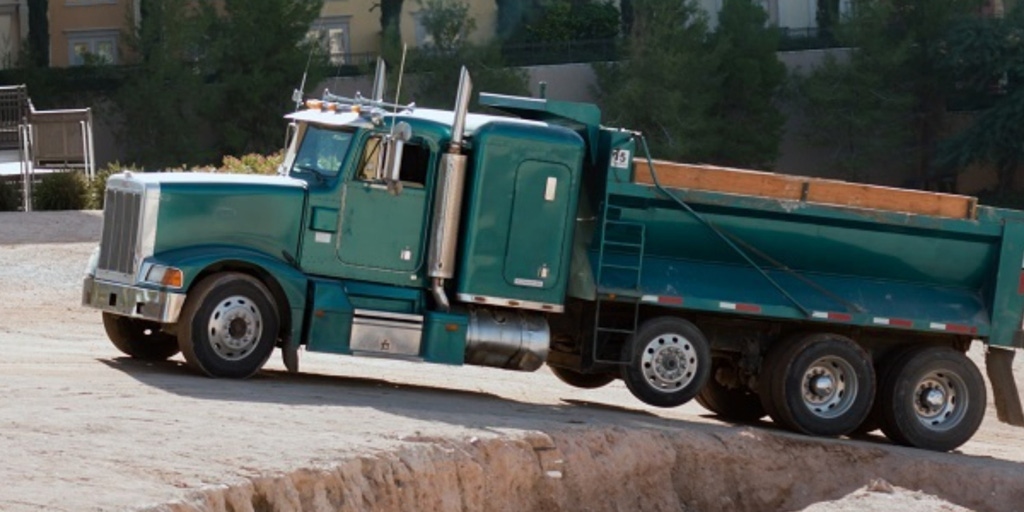
The Truck Is Not the Business. The System Behind Every Move Is.
The Truck Is Not the Business. The System Behind Every Move Is.
At 6:30 in the morning, the moving company owner was already working.
The first crew was checking the truck. The second crew was waiting for an address confirmation. A customer had emailed at midnight asking if the movers could also take apart the bed frame. Someone else wanted to change the move date. A crew member texted that he was running late. The phone rang with a last-minute quote request. Another customer wanted reassurance that the piano would be handled carefully.
To most people, it looked like a moving business.
To the owner, it looked like daily controlled chaos.
But to a serious buyer, if the business was prepared correctly, it could look like something much bigger.
It could look like booked revenue. It could look like trained crews. It could look like strong reviews. It could look like repeat referral flow. It could look like trucks, systems, customer trust, local reputation, and a business people call during one of the most stressful days of their life.
That is what many moving company owners do not always see.
At Transworld Business Advisors MetroWest Boston, Mukesh Sharma, Dhruv D Gije, and our team help business owners across Framingham, Newton, Waltham, Natick, Watertown, Worcester, Marlborough, and surrounding Massachusetts communities understand what buyers may really be looking at when they evaluate a business.
For moving companies, the value is rarely only in the trucks.
The value is in the system that makes the trucks useful.
A truck by itself is equipment. A booked calendar is demand. A trained crew is capacity. A strong review profile is trust. A clean claims history is confidence. A working dispatch process is transferability. A reliable lead source is future revenue. A seller who can explain all of that clearly is much more prepared for a buyer conversation.
That is where the story begins.
A moving company owner once sat across from us and said, “I know my trucks have value, but I do not know if someone would really pay for the business.”
That question is common. Many moving company owners spend years inside the pressure of the work. They see truck repairs, labor issues, scheduling problems, customer complaints, weekend jobs, fuel costs, insurance, and the stress of making sure everything arrives safely. Because they are so close to the daily pressure, they may stop seeing the business value behind the operation.
Mukesh explained it in a simple way: “A buyer is not just buying what you own. A buyer is buying what continues.”
That changed the conversation.
The owner had been thinking about trucks, blankets, straps, dollies, boxes, and equipment. A buyer would be thinking about something deeper. Where do the leads come from? How many jobs are already booked? Are the crews dependable? Are customers happy? Are reviews strong? Are claims under control? Are estimates accurate? Is the owner the only person who can run dispatch? Can this company continue after closing?
Those questions matter because a moving company is a trust business.
People are not just paying someone to move furniture. They are trusting a company with their homes, memories, valuables, deadlines, and peace of mind. A buyer understands that trust can have real value if it is supported by systems.
The first thing we looked at was lead flow. In a moving company, buyers want to know how customers find the business. Do leads come from Google? Referrals? Realtors? Apartment communities? Corporate relocation? Senior living communities? Storage partners? Repeat customers? Paid ads? Local reputation? A company that gets steady, predictable inquiries may feel much more attractive than a company that depends only on the owner’s personal phone calls.
Then we looked at booked jobs and seasonality. Moving businesses often have busy seasons, slower periods, end-of-month pressure, weekend demand, and last-minute scheduling changes. A buyer wants to understand that rhythm. They want to know whether revenue is predictable, whether the calendar is organized, whether pricing changes by demand, and whether there are opportunities to smooth out slow periods with commercial moves, packing services, storage, junk removal, delivery work, or partnerships.
To the seller, the calendar may feel like stress.
To a buyer, the calendar can show momentum.
Then came the crew conversation. In a moving business, the crew can make or break the company. A good crew protects the brand. A careless crew can damage it in one afternoon. Buyers want to know whether movers are trained, reliable, insured properly, supervised, and likely to stay after a sale. They want to know who leads the crew, who drives, who handles difficult customers, who protects fragile items, and who keeps the team moving when the job becomes harder than expected.
The owner had always seen labor as his biggest headache.
But we helped him see it from the buyer’s side. A trained crew is not just an expense. A trained crew is part of the company’s value.
If the owner personally has to rescue every move, answer every complaint, price every job, manage every crew, and calm every customer, the buyer may worry. But if the company has crew leaders, processes, training, dispatch support, and customer communication systems, the buyer may see something more transferable.
That word matters: transferable.
A moving company becomes more attractive when the buyer can imagine taking over without everything falling apart on the first Saturday morning.
That is why systems matter. The quoting process, scheduling process, customer confirmation process, dispatch process, crew assignment process, damage claim process, review request process, fleet maintenance process, and payment process all create confidence when they are organized. A buyer does not expect perfection, but they do need to understand how the business runs.
If everything is inside the owner’s head, the business may feel risky.
If the owner can explain the system, the business feels more real.
At Transworld Business Advisors MetroWest Boston, this is where we help sellers prepare. We help owners look at their business the way buyers may look at it. Not emotionally. Not casually. But with the questions that can affect value, deal structure, and confidence.
The financial conversation is also important. Moving companies can have strong revenue, but buyers want to understand true cash flow. They may look at labor costs, truck payments, repairs, insurance, fuel, advertising, supplies, rent, storage costs, subcontractors, owner compensation, and seasonal trends. They may also want to understand job profitability. Are local moves profitable? Are long-distance moves profitable? Are packing services profitable? Are commercial jobs more stable? Are claims or damages affecting margins?
A busy moving company is not always a profitable moving company.
That is why clean records matter. Buyers want to understand what the business really earns, what expenses are required, and what a new owner may reasonably expect after the transition.
Then came one of the most overlooked value drivers: reputation.
For moving companies, reviews can be extremely powerful. People often choose a mover during a stressful moment, and they rely heavily on trust signals. Strong reviews can reduce customer hesitation. Poor reviews can create doubts. A buyer may read reviews to understand punctuality, professionalism, care, communication, pricing, and how the company handles problems.
A good review profile tells the buyer, “Customers trust this company.”
That trust can be hard to build from zero.
The owner had strong reviews but had never thought of them as part of buyer confidence. He thought they were just helpful for getting calls. We explained that reviews can support the story of the business. They show that the company is not only generating revenue, but also delivering an experience customers value.
Then we looked at growth. The owner had been busy running jobs and managing crews, so he had not fully built out the next stage. Maybe the company could grow through realtor partnerships. Maybe it could target apartment complexes. Maybe it could offer packing and unpacking services. Maybe it could add storage. Maybe it could build commercial moving accounts. Maybe it could improve Google Ads, local SEO, review generation, or repeat customer follow-up. Maybe it could expand into nearby towns with strong housing movement.
To the seller, those were things he did not have time to do.
To the right buyer, they could be opportunity.
That is a key lesson for moving company owners. Your business does not need to be perfect to be attractive. Sometimes buyers like a business because the foundation is strong and the next owner can clearly see how to grow it.
The owner eventually said something that shifted the whole tone of the meeting: “I always thought I was selling trucks and jobs. Now I see I may be selling a reputation people call when they need help.”
That is exactly right.
A moving company is not just a transportation business. It is a trust business. A timing business. A people business. A logistics business. A customer service business. A local reputation business.
And if prepared properly, it can become a business buyers understand.
Confidentiality is also extremely important. If employees hear too early, they may worry. If competitors hear too early, they may use the information. If referral partners hear too early, they may become uncertain. If customers hear rumors, they may misunderstand what is happening. A seller should not have to risk the business just to explore options.
At Transworld Business Advisors MetroWest Boston, confidentiality is built into the process. We help owners understand value, prepare the business story, screen qualified buyers, and protect sensitive information until the proper steps are in place.
Before selling a moving company, owners should ask themselves honest questions. Are my financial records clear? Can I explain where leads come from? Are my crews likely to stay? Is my fleet properly documented and maintained? Do I have strong reviews? Are jobs scheduled through a clear system? Is my claims history under control? Can the business run without me handling every call? Are there recurring referral sources? Is there room for a buyer to grow through packing, storage, commercial moving, or partnerships?
If the answers are unclear, that does not mean the company cannot sell. It means the owner may need preparation before going to market.
The moving company owner in this story came in thinking he had built a company with trucks.
By the end, he realized he had built something more.
He had built a team that could carry responsibility. He had built a reputation that customers trusted. He had built a system that moved people from one chapter of life to another. He had built a business that could potentially continue beyond his daily involvement if prepared the right way.
That is the message every moving company owner should understand.
Your business may be more than trucks in a lot.
It may be more than boxes, blankets, and booked weekends.
It may be more than the miles driven.
It may be the trust people call when life is changing addresses.
And that trust may have real business value.
CTA
Thinking about selling your moving company now or in the future? Transworld Business Advisors MetroWest Boston can help you understand your company’s value, prepare for buyer conversations, protect confidentiality, and explore the right path for your next chapter.
By Dhruv D Gije
Ready For What Comes Next on Your Entrepreneurial Journey?